
We take inspiration from the Ten-Point Program of the original Black Panther Party, founded in Oakland, specifically Points 7 and 10 *:
7. We want an immediate end to police brutality and murder of all oppressed people inside the United States.
10. We want people’s community control of modern technology.
*Source: The Black Panther Intercommunal News Service May 13, 1972: p. B of the supplement to the newspaper.
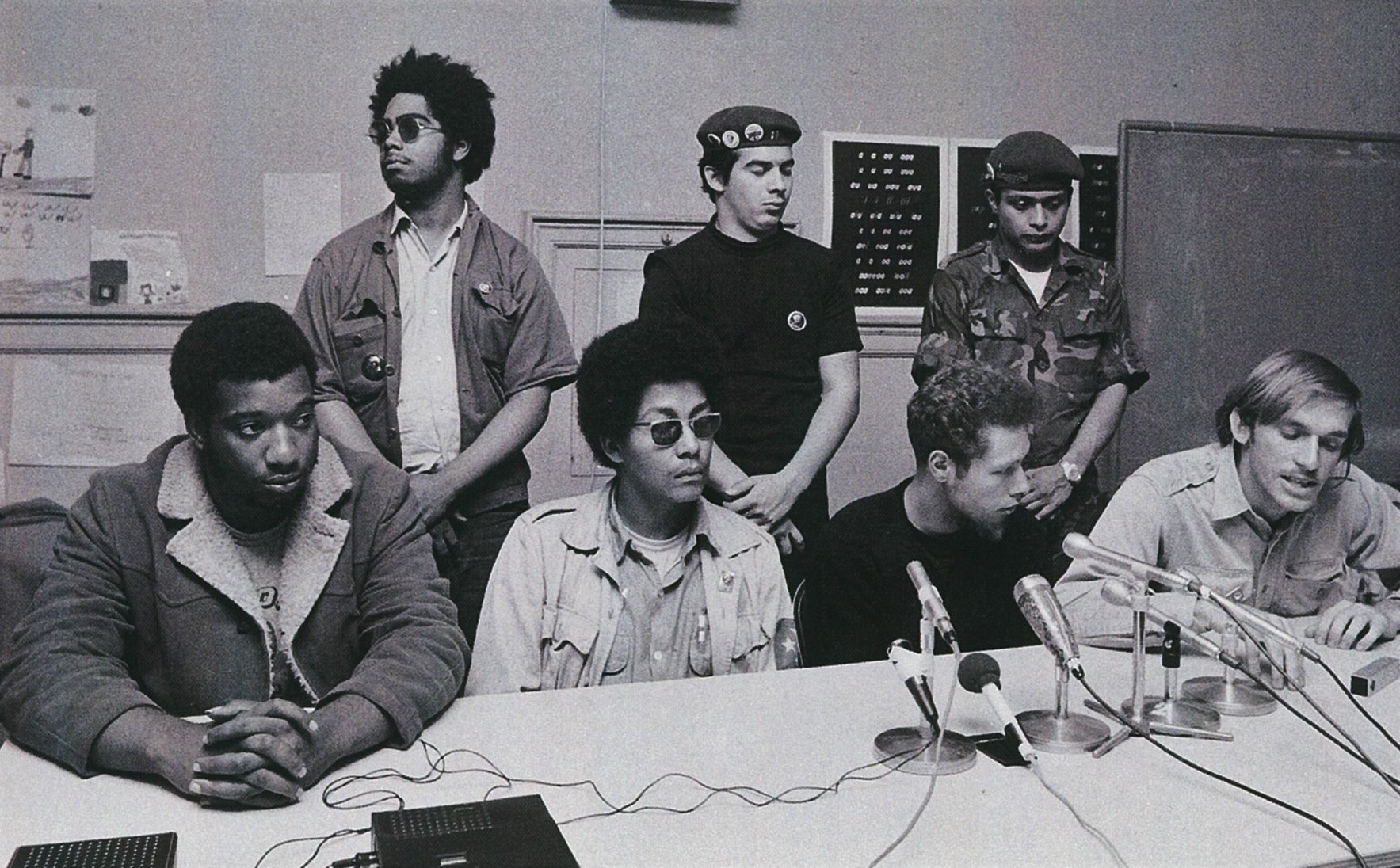
“Racism and ethnic differences allow the power structure to exploit the masses of workers in this country, because that’s the key by which they maintain their control.” - Bobby Seale, Black Panther Party co-founder
“We say you don’t fight racism with racism — we’re gonna fight racism with solidarity.” - Fred Hampton, Deputy Chairman, Black Panther Party


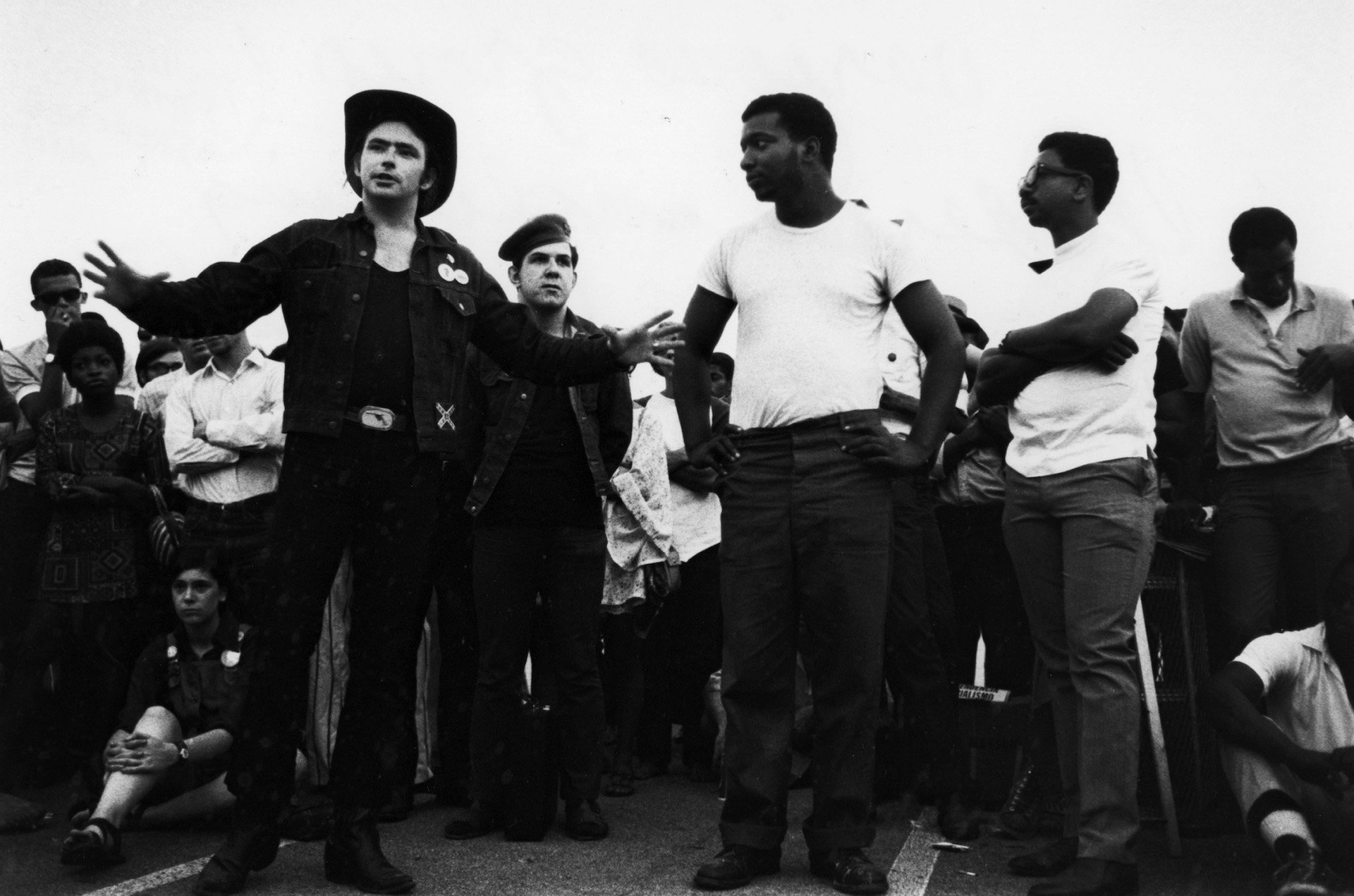
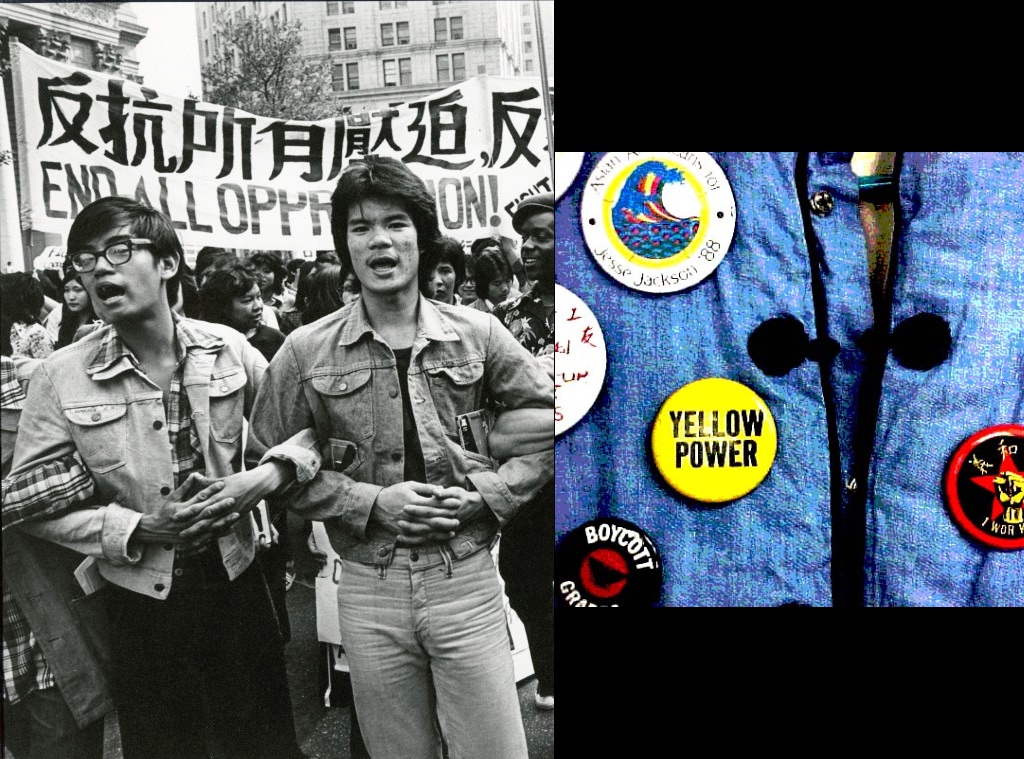
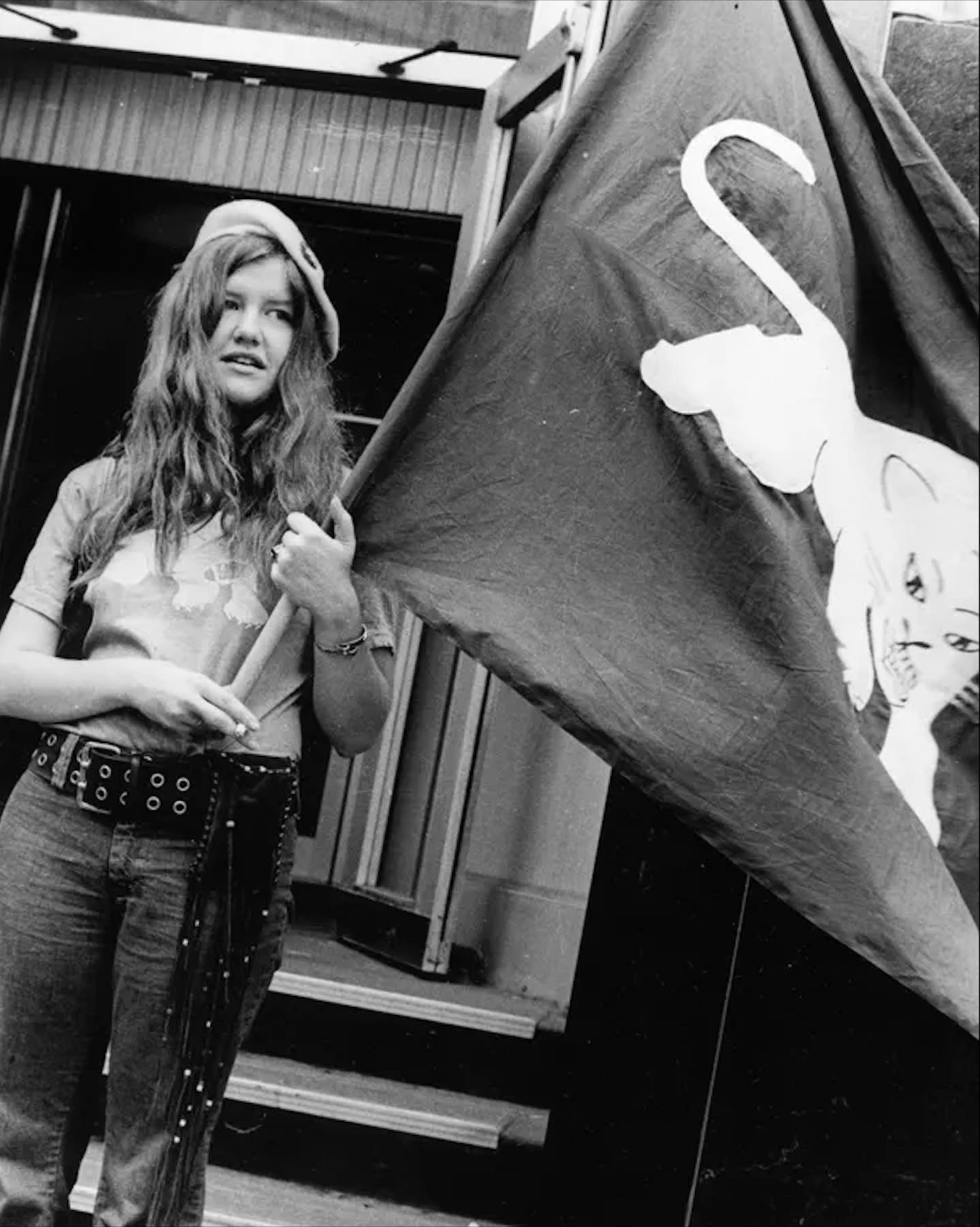

- Black Panther Party (African-American)
- Young Lords (Puerto Rican)
- Cesar Chavez, United Farm Workers (Hispanic)
- Appalachian Young Patriots (white)
- American Indian Movement (Native American)
- Brown Berets (Chicano)
- White Panther Party (white)
- Poor People's Coalition (multi-racial)
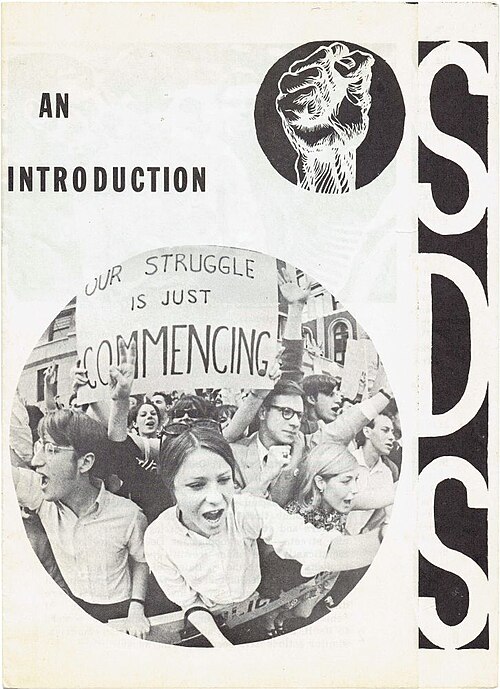
- Students for a Democratic Society (poor, white, southern)
- Rising Up Angry (white working class youth)
"The Original Rainbow Coalition is often revered as an “inter-racial” alliance that included the Black Panthers, Young Lords, and Young Patriots. Re-contextualizing the formation of the coalition in relation to population violence in Chicago, this article documents the Rainbow Coalition as a political strategy that opposed the economization of poverty. Led by Fred Hampton, the Rainbow Coalition practiced an unconventional solidarity that also challenged the anti-racism strategies proposed by civil rights, cultural nationalist, and New Left organizations, alike." - Antonio R. Lopez
